Timing
Morn: 11.00am to 1.30pm
Eve: 6.30pm to 9.30pm


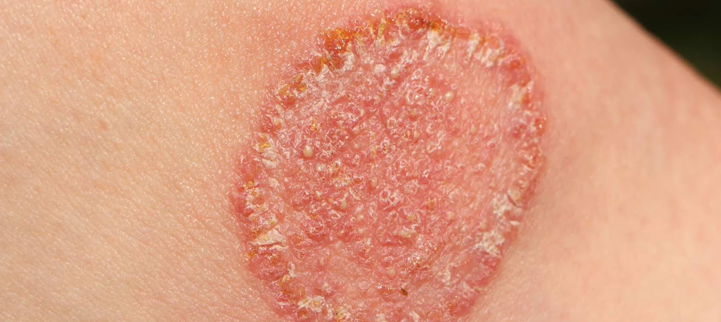
Fungal infections are common conditions caused by the overgrowth of fungi on the skin, nails, or inside the body. These organisms normally live harmlessly on the skin, but under certain conditions such as warmth, moisture, weakened immunity, or poor hygiene, they can multiply and cause infection. Fungal infections can affect people of all ages and are usually not serious, but they can be uncomfortable and persistent if left untreated.
Common types of fungal infections include athlete’s foot, ringworm, jock itch, yeast infections, and fungal nail infections. Symptoms vary depending on the affected area but often include itching, redness, scaling, cracking, discoloration, or thickening of the skin or nails. Infections in moist areas of the body, such as between the toes or skin folds, are especially common because fungi thrive in warm, damp environments.
Fungal infections are typically spread through direct contact with infected skin, contaminated surfaces, or shared personal items such as towels, shoes, or clothing. Diagnosis is usually made through physical examination and, in some cases, laboratory tests of skin or nail samples. Treatment depends on the severity and location of the infection and may involve antifungal creams, powders, or oral medications.
Preventive measures play an important role in reducing the risk of fungal infections. Keeping the skin clean and dry, wearing breathable clothing, avoiding sharing personal items, and maintaining good hygiene are effective strategies. While most fungal infections respond well to treatment, completing the full course of medication is important to prevent recurrence. With proper care and early treatment, fungal infections can be effectively controlled and resolved.
Expert homeopathic care for complex, chronic conditions with lasting healing.
Copyright © 2026 Dr Stuti's Advanced Homeopathic Clinic | All Rights Reserved.